
Most homeowners in Rapid City start researching roof replacement costs after a hailstorm, a leak that won’t stop, or a contractor who tells them the roof has maybe two good years left. The problem is, most of what they find online is built for a national audience and doesn’t reflect what roofers in the Black Hills actually charge.
This guide gives you real 2026 pricing for Rapid City, SD, broken down by home size and material type. It also covers the seven factors that move your quote up or down, how to evaluate whether your insurance covers the replacement, and what separates a trustworthy local contractor from one you’ll regret hiring.
K1 Roofing has completed residential and commercial roof replacements across Rapid City and the surrounding Black Hills area for over 30 years. The pricing context here reflects what local contractors are actually charging in 2026, not national averages that don’t account for South Dakota’s climate, hail exposure, or labor market.
What Does Roof Replacement Cost in Rapid City? (2026 Numbers)
For most Rapid City homeowners, a full roof replacement will run somewhere between $7,500 and $16,000, though the final number depends heavily on your home’s size, roof complexity, and the material you choose.
Here’s a realistic starting framework based on current local pricing:
Rapid City Roof Replacement Cost by Home Size (Architectural Asphalt Shingles, 2026)
| Home Size | Estimated Cost Range |
|---|---|
| 1,200 sq ft | $6,500 – $9,000 |
| 1,500 sq ft | $7,500 – $10,500 |
| 1,800 sq ft | $9,000 – $12,500 |
| 2,000 sq ft | $9,500 – $13,500 |
| 2,500 sq ft | $12,000 – $16,500 |
| 2,500+ sq ft | $14,000 – $20,000+ |
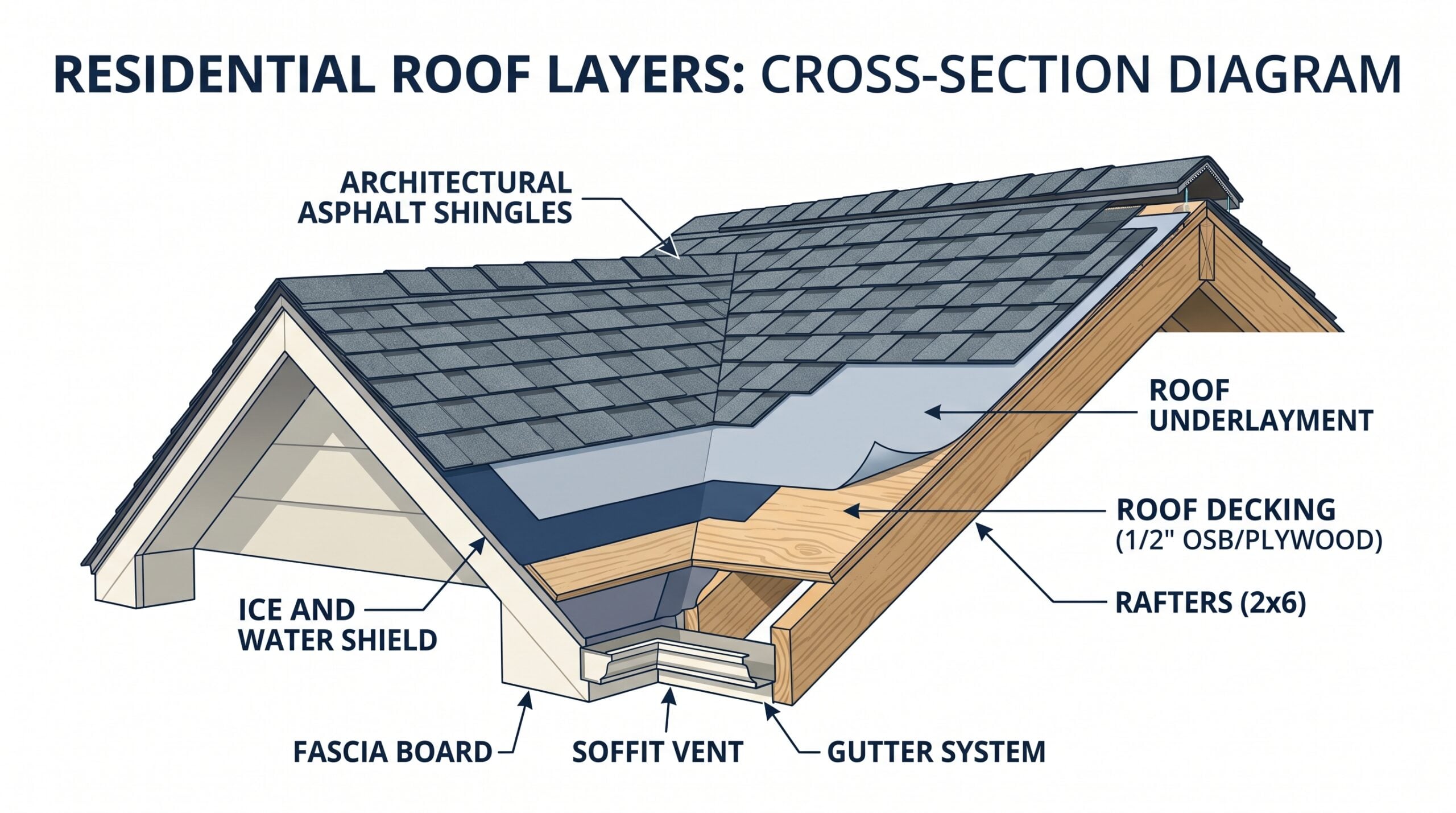
These ranges reflect architectural (dimensional) asphalt shingles, which are the most common choice for residential roofing in Rapid City. They include material, labor, tear-off of a single existing layer, standard underlayment, and basic flashing. They do not include unexpected decking replacement, ventilation upgrades, or premium material upgrades.
Cost by Material Type (per roofing square = 100 sq ft)
| Material | Cost Per Square | Durability | Best For |
|---|---|---|---|
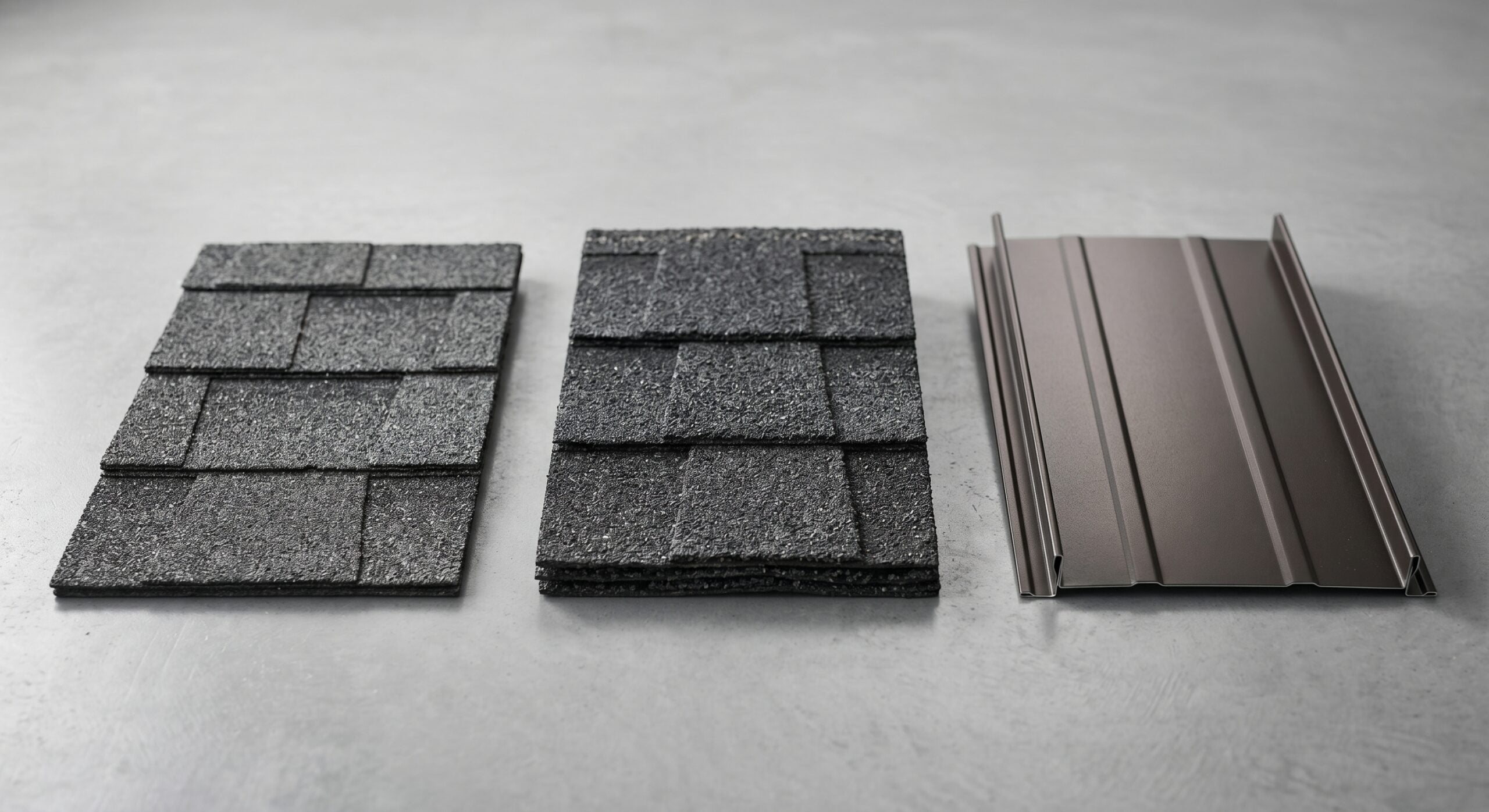
| Standard 3-tab asphalt | $400 – $500 | 15-20 years | Budget replacements only |
| Architectural asphalt | $500 – $650 | 25-30 years | Most residential homes |
| Class 4 impact-resistant asphalt | $650 – $800 | 30-35 years | Hail-prone areas like Rapid City |
| Exposed fastener metal | $900 – $1,100 | 35-50 years | Agricultural, commercial |
| Standing seam metal | $1,200 – $1,600 | 50-70 years | Premium residential, longevity-focused |
A typical 1,800 sq ft home has roughly 20 to 24 squares of roof surface (roof area is always larger than floor area due to pitch and overhang). Multiply your square count by the per-square cost to get a material baseline, then add labor (which in Rapid City typically runs $150 to $350 per square depending on pitch and complexity).
For a free, specific estimate based on your home, K1 Roofing’s roof installation and replacement team provides written proposals at no charge.
The 7 Factors That Actually Drive Your Roofing Quote
Two homes on the same street can produce quotes that differ by $4,000 or more. That’s not a contractor padding their margin. These seven factors explain most of that gap.
1. Roof Size and Pitch
Roof area is measured in squares (one square = 100 sq ft of roof surface). A steeper pitch means more surface area and slower, more safety-intensive installation. Pitches above 6/12 (meaning the roof rises 6 inches for every 12 horizontal) typically add $100 to $200 per square to the labor cost.
2. Material Selection
As shown in the table above, your material choice sets the cost baseline. Upgrading from standard architectural shingles to Class 4 impact-resistant shingles typically adds $150 to $200 per square but can reduce your homeowners insurance premium in South Dakota by 20% or more, depending on your policy.
3. Roof Complexity
A simple gable roof with two slopes is fast to install and produces minimal waste. Add multiple valleys, hips, dormers, skylights, or a flat section, and installation time increases substantially. Each valley requires additional flashing and waterproofing. More transitions mean more opportunity for leaks if any detail work is skipped.
4. Tear-Off and Disposal
If your existing roof has two or more layers of shingles, all layers must be removed before new shingles can be installed properly. Multi-layer tear-off adds significant disposal weight and labor time, typically $50 to $150 per square over a standard single-layer tear-off.
5. Decking Condition
Once tear-off begins, the plywood decking beneath the shingles is exposed for the first time in years (sometimes decades). Soft spots, rot, or water damage must be replaced before the new roof can go down. Decking is typically priced per sheet (a standard 4×8 sheet of OSB or plywood). Most contractors price this separately because it genuinely cannot be assessed until the old roof is removed.
6. Ventilation
A well-ventilated attic extends the life of your roof by managing heat and moisture. Inadequate ventilation accelerates shingle degradation, causes ice dams in South Dakota winters, and can void manufacturer warranties. If your attic has poor intake or exhaust ventilation, correcting it during replacement is far less expensive than addressing it separately later.
7. Access and Obstacles
Homes with long driveways, tight lot lines, nearby power lines, or difficult terrain require additional staging and take longer to complete. Trees overhanging the roof create hazards and can hide damaged decking until tear-off begins.
Understanding these seven factors helps you evaluate competing quotes intelligently. If one estimate is significantly lower than the others, ask which of these areas was reduced or excluded.
Roofing Materials: Which Is Best for Rapid City’s Climate?
Rapid City sits in one of the most hail-active corridors in the United States. According to NOAA weather data, Western South Dakota regularly sees multiple significant hail events per year, with hailstones exceeding 1 inch in diameter occurring frequently during spring and summer months.
That context changes the material decision significantly. Here’s how the three main categories stack up for Black Hills homeowners:
Standard Architectural Asphalt Shingles
The baseline choice. Durable, widely available, and appropriate for most climates. In Rapid City, they’re adequate if your roof is properly installed, ventilated, and maintained. The risk: a single significant hail event can damage standard shingles enough to require full replacement, and if your policy has a high wind and hail deductible, you may be paying a larger portion out of pocket than you’d expect.
Class 4 Impact-Resistant Asphalt Shingles
This is the category that most Rapid City homeowners should be asking about, and the one most national roofing guides don’t cover with adequate depth. Class 4 shingles carry a UL 2218 rating, which means they’ve been tested by striking them with 2-inch steel balls at high velocity and showing no cracking.
The practical advantages in Rapid City:
- Significantly higher resistance to hail damage
- Many South Dakota insurers offer premium discounts for Class 4-rated roofs
- Longer lifespan (30-35 years vs. 25-30 for standard architectural)
- Cost difference over standard shingles is typically recovered within a few years through insurance savings
K1 Roofing’s residential roofing services include Class 4 options from CertainTeed, and as a CertainTeed ShingleMaster Certified contractor, K1 can offer the extended SureStart Plus warranty, which provides coverage up to 50 years non-prorated for qualifying installations. That warranty tier is only available through ShingleMaster certified contractors.
Standing Seam Metal Roofing
The most durable option in the table. A properly installed standing seam metal roof can last 50 to 70 years, outlasting two or three asphalt replacements over the same period. The higher upfront cost ($1,200 to $1,600 per square) needs to be weighed against the elimination of replacement cycles and the excellent performance in both hail and heavy snow conditions.
Metal is the right call for homeowners who plan to stay in their home long-term and want to remove roofing from their list of concerns for decades. It’s also worth noting that standing seam metal has no exposed fasteners, which eliminates one of the most common failure points in traditional metal roofing.
Does Homeowners Insurance Cover Roof Replacement in Rapid City?
This is the question that most Rapid City homeowners don’t fully understand until after they’ve filed a claim and found out the answer wasn’t what they expected.
The short answer: yes, if the damage was caused by a covered peril. Storm damage from hail or wind is typically covered. Normal aging, wear and tear, and neglect are not.
How Coverage Works in South Dakota
Most South Dakota homeowners insurance policies include one of two replacement structures:
- Actual Cash Value (ACV): The insurer pays the depreciated value of your old roof, not the cost of replacing it with new materials. An aging 20-year-old asphalt roof might only receive a fraction of the replacement cost under an ACV policy.
- Replacement Cost Value (RCV): The insurer pays the full cost to replace the damaged roof with materials of like kind and quality. RCV coverage is more expensive to carry but pays out far more in a claim.
If you’re not sure which type of policy you have, check your declarations page or call your agent before any storm season begins.
The Wind and Hail Deductible
Most South Dakota policies include a separate wind and hail deductible, which is often expressed as a percentage of your home’s insured value rather than a flat dollar amount. A 1% hail deductible on a $350,000 home means you pay $3,500 out of pocket before insurance covers the rest. Understanding this number before you need it prevents surprises.
Why a Professional Inspection Comes Before the Claim
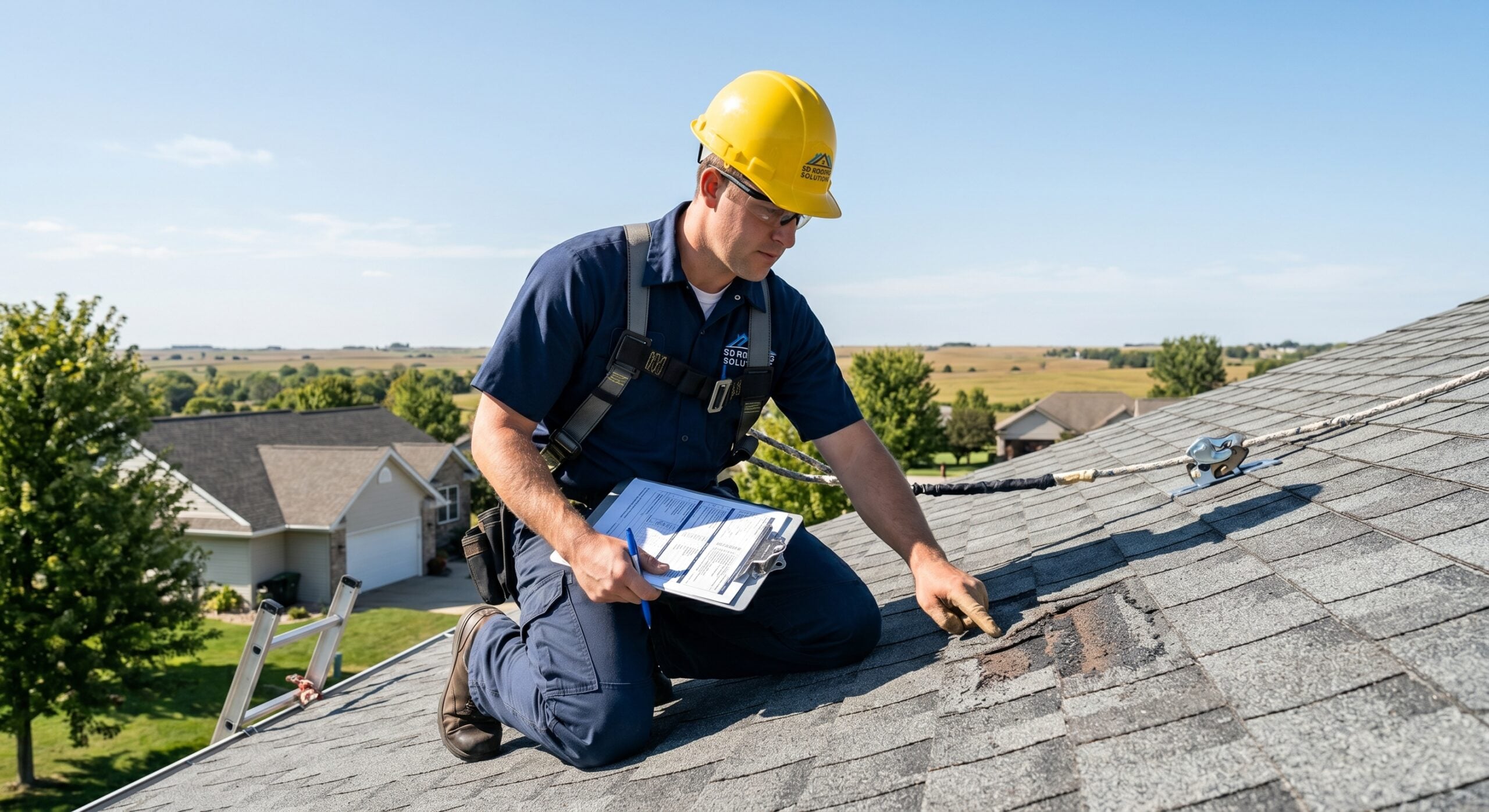
Filing a claim starts a clock. Once you’ve filed, the insurer sends an adjuster. That adjuster may miss items, including damaged flashing, gutters, ventilation caps, and skylights, that a qualified roofing contractor would identify during a full inspection.
K1 Roofing’s team conducts thorough inspections before homeowners file claims. K1 has helped Rapid City homeowners recover supplemental claim amounts for items the original adjuster’s estimate missed. Getting the full scope documented before the adjuster’s visit gives you a complete picture of what your replacement should include. K1’s insurance claim assistance service guides homeowners through this process at no additional charge.
How to Get an Honest Roof Replacement Quote in Rapid City
Not all roofing quotes are built the same way. A quote that comes in $2,000 lower than the others may not be saving you money. These five steps will help you evaluate any estimate you receive.
Step 1: Verify Licensing and Insurance
In South Dakota, roofing contractors must be licensed and carry general liability and workers’ compensation insurance. Ask for the certificate of insurance before signing anything. A contractor without adequate coverage leaves you financially exposed if an accident occurs on your property.
Step 2: Ask About Manufacturer Certifications
Manufacturers like CertainTeed, GAF, and Owens Corning offer tiered certification programs that qualify contractors to install premium products and offer extended warranties. K1 Roofing holds CertainTeed ShingleMaster certification, which qualifies homeowners for warranty terms up to 50 years non-prorated under the SureStart Plus program. A non-certified contractor cannot offer this warranty level regardless of how well they install the shingles.
Step 3: Get Everything in Writing
A complete written estimate should include: the specific material and product line being installed, the number of layers being torn off, whether decking replacement is included or excluded, what ventilation work is planned, the manufacturer warranty terms, and the contractor’s workmanship warranty. Verbal commitments are difficult to enforce.
Step 4: Watch for Storm Chasers
After significant hail events in the Black Hills, out-of-state contractors arrive in force. They typically offer quick turnarounds, low prices, and disappear once the work is done. Local contractors have reputations to protect and are accessible if any warranty issues arise. Checking a contractor’s physical business address and Google reviews from local homeowners is a simple way to verify you’re working with someone who has genuine roots in the community.
Step 5: Schedule a Free Inspection First
K1 Roofing offers a free roof inspection before any commitment. A qualified inspector assesses your current roof condition, identifies any storm damage, and provides a written estimate that includes a full scope of work. There’s no obligation, and the inspection gives you a baseline for evaluating any other quotes you receive.
How Long Does a New Roof Last in South Dakota?
The lifespan question matters because it changes the true cost calculation. A roof that costs $2,000 less up front but lasts 8 fewer years may actually cost more per year of service.
Lifespan by material in South Dakota conditions:
- Standard 3-tab asphalt: 15 to 20 years (lower end in Rapid City due to UV and hail exposure)
- Architectural asphalt shingles: 20 to 30 years with proper ventilation and maintenance
- Class 4 impact-resistant asphalt: 30 to 35 years in most South Dakota conditions
- Exposed fastener metal: 30 to 50 years (fasteners may need periodic maintenance)
- Standing seam metal: 50 to 70 years with minimal maintenance required
Factors That Shorten Roof Lifespan in Rapid City
South Dakota presents three specific challenges that are less severe in other markets:
- Freeze-thaw cycling: Rapid City experiences significant temperature swings. Water that enters small cracks in shingles freezes, expands, and widens those cracks over successive winters. This accelerates granule loss and can cause premature shingle failure.
- UV exposure: At 3,200+ feet elevation and with South Dakota’s high number of sunny days, UV degradation of asphalt shingles happens faster here than in lower-elevation, cloudier markets.
- Hail events: The Black Hills is within a geographic corridor with above-average hail frequency. A single large hailstorm can cause enough surface damage to justify replacement even on a relatively new roof, particularly if the shingles are standard rather than impact-rated.
Proper installation, adequate ventilation, and regular inspection (ideally annual, or after any significant storm) extend roof lifespan meaningfully. K1 Roofing’s roofing services in Rapid City include post-storm inspections and annual maintenance assessments.
Frequently Asked Questions About Roof Replacement in Rapid City
How much does roof replacement cost in Rapid City, SD?
Roof replacement in Rapid City, SD typically costs between $7,500 and $16,000 for most residential homes, depending on size, material, and roof complexity. A 1,500 sq ft home with architectural asphalt shingles averages $7,500 to $10,500. A 2,000 sq ft home runs $9,500 to $13,500. Larger or more complex roofs can reach $14,000 to $18,000 or more.
Does homeowners insurance cover roof replacement in South Dakota?
Yes, if the damage was caused by a covered peril such as hail or wind, homeowners insurance in South Dakota typically covers roof replacement. Wear and tear or aging are not covered. Most South Dakota policies include a separate wind and hail deductible. Filing a claim before getting a professional inspection is not recommended, as an adjuster may miss items that a roofing contractor would catch.
What roofing material is best for Rapid City’s climate?
For Rapid City and the Black Hills, Class 4 impact-resistant asphalt shingles offer the best balance of cost and hail protection. They qualify for insurance discounts in South Dakota, carry a UL 2218 Class 4 rating, and typically cost $650 to $800 per square installed. Standing seam metal roofing is the most durable option but costs $1,200 to $1,600 per square.
How long does a roof last in South Dakota?
Standard architectural asphalt shingles last 20 to 30 years in South Dakota conditions. Class 4 impact-resistant shingles can last 30 to 35 years with proper maintenance. Metal roofs typically last 50 to 70 years. Rapid City’s freeze-thaw cycles, UV exposure, and hail events can shorten lifespans if the roof is not properly installed and maintained.
How long does roof replacement take?
Most residential roof replacements in Rapid City take one to three days from start to finish. Larger homes, steep pitches, or roofs with significant decking damage may take longer. Weather delays during South Dakota’s spring storm season can also affect scheduling.
Getting the Right Roof for Rapid City’s Conditions
Roof replacement is one of the larger expenses a homeowner will face, and in Rapid City, the stakes are higher than average because of what the Black Hills climate puts roofs through every year. Hail, freeze-thaw cycles, heavy snow loads, and intense UV exposure all reduce the margin for error during installation.
The cost ranges in this guide reflect what local Rapid City contractors charge in 2026. The right number for your home depends on its specific size, roof design, and the material you select. What the ranges make clear is that the cheapest option often costs more in the long run, particularly in a market where hail events can force early replacement of inadequately rated shingles.
For homeowners considering Class 4 shingles or a full system upgrade, the combination of longer service life, insurance savings, and extended warranty coverage (available through CertainTeed ShingleMaster certified contractors like K1 Roofing) changes the math significantly.
K1 Roofing’s team provides free written estimates with a complete scope of work, no obligation, and no pressure. If you’ve experienced storm damage or have questions about your roof’s remaining life, schedule a free roof inspection to get an honest assessment before making any decisions.
![Roof Maintenance Checklist for Rapid City, SD: The Year-Round Homeowner’s Guide [2026]](https://www.k1roofinginc.com/wp-content/uploads/2026/05/k1-roofing-inc-roof-maintenance-rapid-city-sd-featured-400x250.jpeg)
![Commercial Roof Replacement in Rapid City, SD: The Complete Guide for Building Owners [2026]](https://www.k1roofinginc.com/wp-content/uploads/2026/05/k1-roofing-inc-commercial-roof-replacement-rapid-city-sd-featured-400x250.jpeg)
0 Comments